A patient may say, “I feel fine,” then mention poor sleep, unusual fatigue, or a difficult week. Another patient may feel discouraged even when recent visits suggest a steadier pattern. These mixed signals are common, and they can make the opening conversation harder to organize.
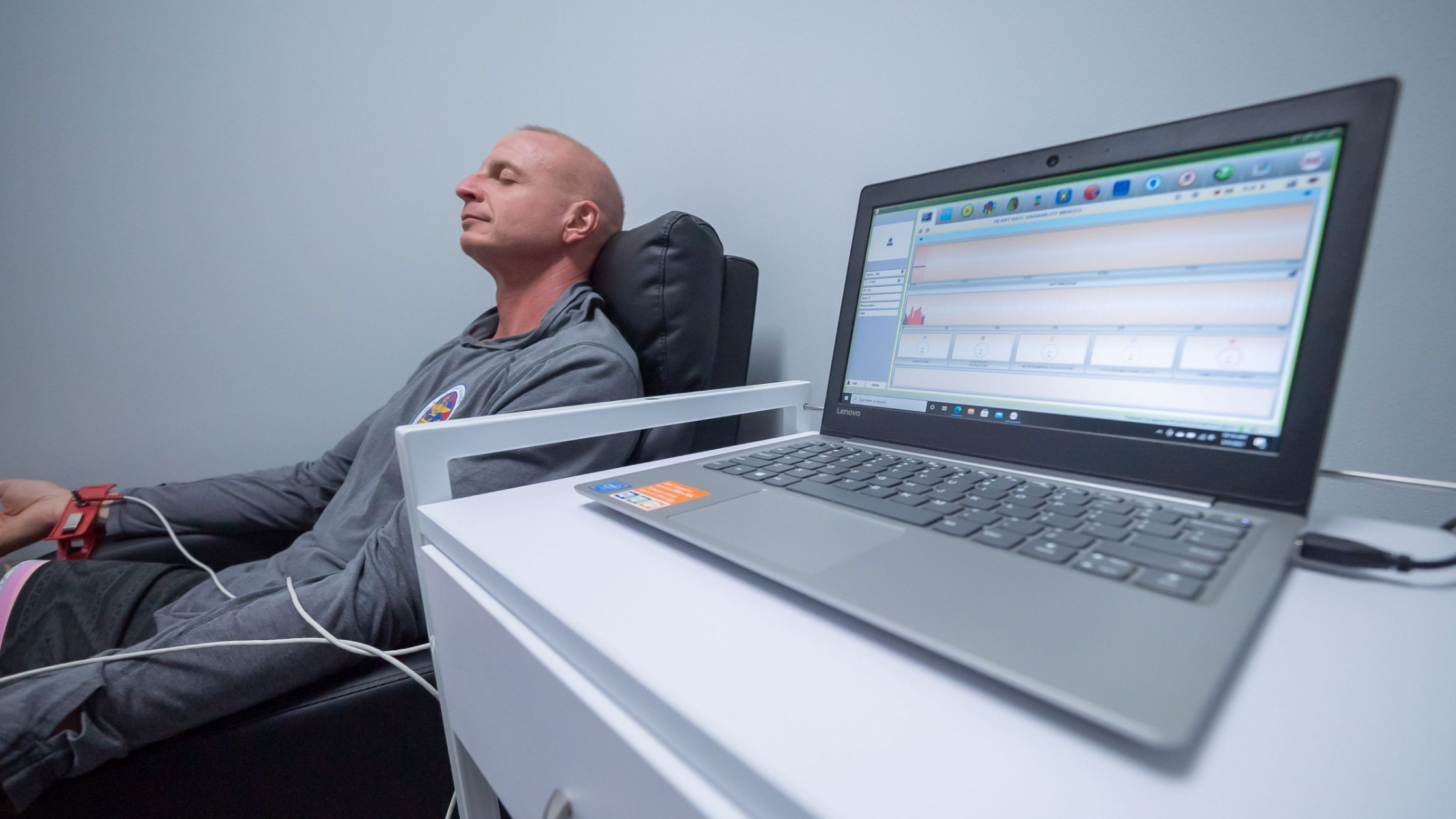
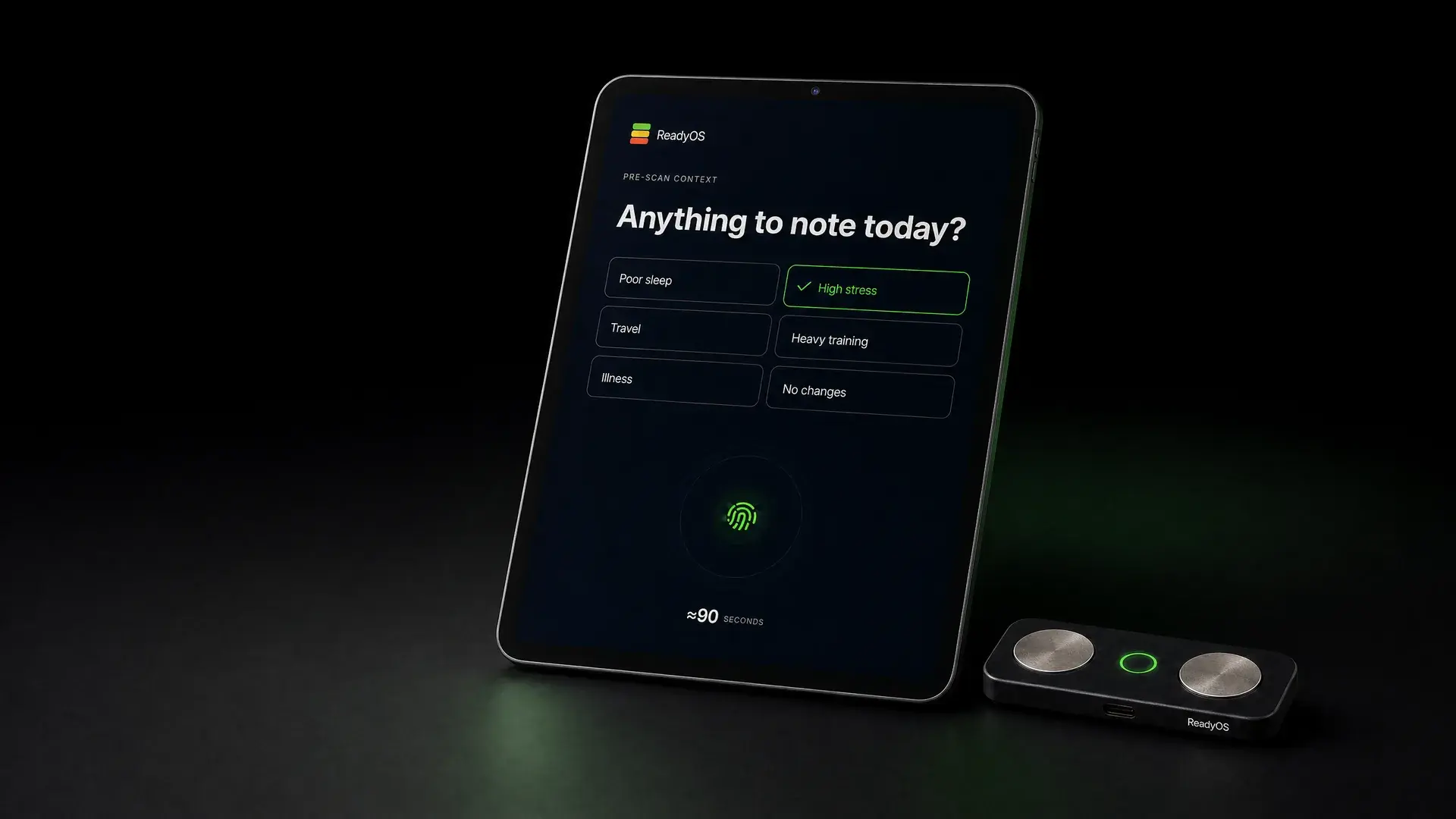
ReadyOS gives clinicians and patients a shared reference point. In approximately 90 seconds, the platform measures physiological readiness and presents one score. The clinician can then connect that result with the patient’s report, examination, recent activity, and goals.
>>> See how ReadyOS works and consider where a readiness score could support conversations in your clinic.
Patients Need Meaning, Not More Numbers
Physiological data can lose its value when patients receive several measurements without a clear explanation. A single score can make the information easier to introduce, but clarity still depends on how the clinician frames it.
The ReadyOS Score should be presented as one measure of the patient’s current physiological readiness. It is not a grade, a diagnosis, or proof that the session will go a certain way. This language gives the patient something concrete to consider without overstating what the number can show.
Start With What the Patient Notices
The score works best when it opens a conversation instead of ending one. Clinicians can first ask what the patient has noticed since the previous visit, then compare that report with the current score and other findings.
If the patient and the score appear to tell a similar story, the clinician can explain the connection. If they do not align, the mismatch may reveal a useful question about recovery, recent demands, symptoms, or expectations. Neither result should override the patient’s experience.
Use Focused Questions to Explore the Score
A repeatable set of questions can keep the conversation practical:
- How does today’s score compare with the patient’s recent visits?
- What has changed in sleep, stress, activity, or recovery?
- Does the score fit what the patient reports today?
- How does it relate to movement, symptoms, and tolerance during the visit?
- What should the clinician and patient continue to watch?
These questions help the clinician add meaning to the measurement while keeping the full clinical picture in view.
Handle Mismatches Without Treating the Score as a Verdict
Suppose a patient feels ready, but today’s score differs from their recent pattern. The clinician does not have to choose between trusting the patient and trusting the technology. The difference itself becomes the topic.
The clinician might ask about recent workload, sleep, illness, or other changes, then decide what deserves attention in the examination. The same principle applies when the score appears steady but the patient feels worse. ReadyOS adds context, while professional judgment determines what matters next.
Show the Story Across Visits
Patients often judge progress from one difficult or encouraging day. Longitudinal readiness information can broaden that view. Repeated ReadyOS scans create a record that the clinician can compare with the patient’s recent baseline rather than relying only on memory.
That record may make it easier to explain whether today looks consistent with the recent pattern or meaningfully different. It also gives the patient a more specific way to participate in the discussion and notice factors that may influence readiness.
Create Consistent Language Across the Team
When several clinicians work in the same practice, patients may hear different explanations of the same measurement. Clinic owners need a shared process for introducing the score, describing its limits, and connecting it with clinical findings.
NeuPT Technologies works with private-practice physical therapy owners on technology selection, training, workflow, and team adoption. That implementation focus matters because a clear score only improves communication when the team understands what it represents and uses it responsibly.
Give Every Score a Useful Conversation
ReadyOS can turn complex physiological information into a reference point that patients can see and clinicians can explain. The goal is not to make the conversation revolve around a number. It is to give the patient and clinician better context for discussing the day’s visit and the pattern developing over time.
Contact the ReadyOS team to explore how readiness data could support clearer conversations in your practice.

 Previous Post