
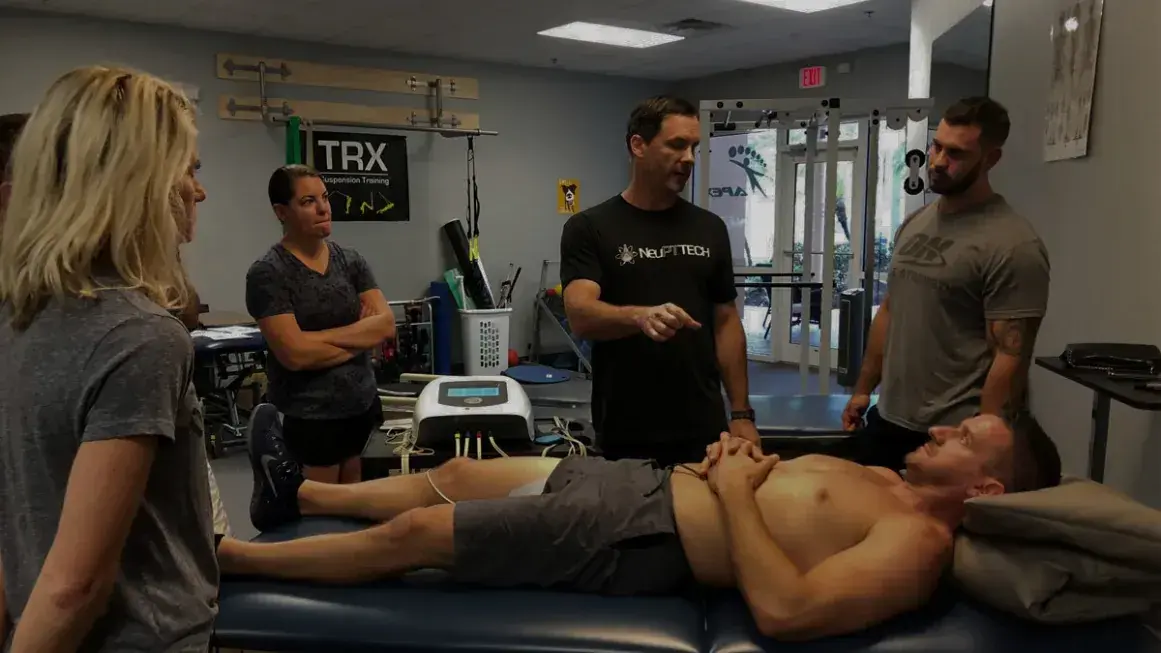
How ReadyOS Helps Track Treatment Response Over Time
Treatment response rarely fits into one observation. A patient’s symptoms may change, movement may look different, and tolerance may improve or decline. Those findings matter, but they can be difficult to compare accurately across several visits.
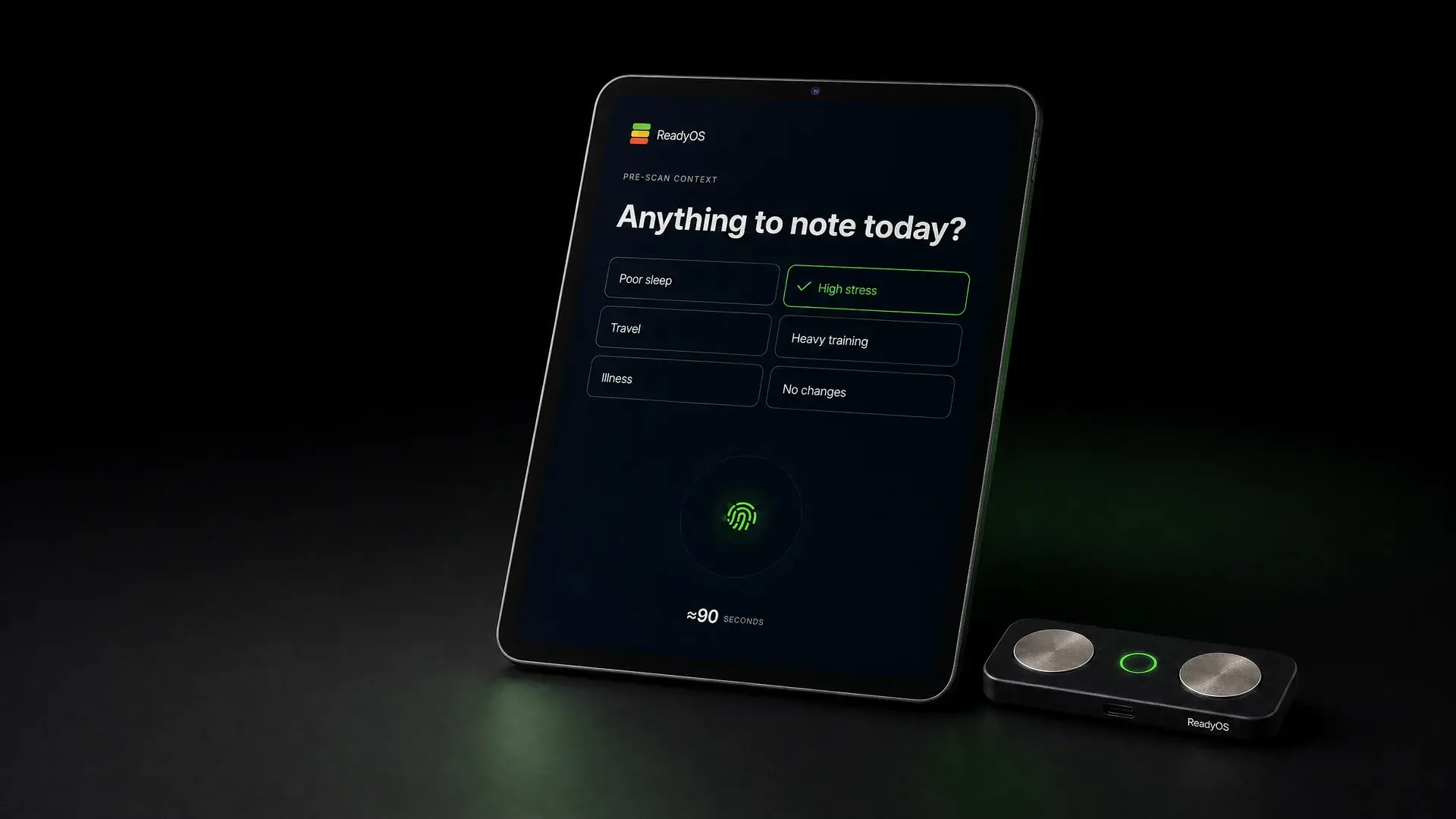
ReadyOS adds another reference point by measuring physiological readiness in approximately 90 seconds and presenting one score. When clinicians collect that information consistently, repeated scores can build a longitudinal picture of how the patient is responding over time.
>>> Learn how ReadyOS tracks readiness and consider how longitudinal data could complement the measures your clinic already uses.
Treatment Response Develops Across More Than One Visit
An immediate change can be useful, but it does not always show whether the broader plan is moving in the intended direction. Day-to-day variation, recent activity, recovery, stress, and other factors may influence how a patient presents.
Longitudinal readiness data gives the clinician a way to compare the current visit with a recent pattern. It does not establish cause and effect. It helps the clinician examine what changed and how the current presentation fits the rest of the record.
Use a Consistent Measurement Point
Trend data becomes easier to interpret when the clinic uses a consistent workflow. Teams should decide when the scan happens, how often it is repeated, and who reviews the result before the visit moves forward.
For example, a clinic may choose to collect the ReadyOS scan near check-in so the clinician receives the score before the examination. Keeping that point consistent reduces avoidable variation in the process and makes it easier for the team to compare visits.
Compare the Score With the Recent Baseline
A single score can describe readiness at one moment. A series of scores provides context. The clinician can look at whether today appears similar to recent visits, falls outside the recent pattern, or changes alongside other clinical findings.
The goal is not to label one number as good or bad. A more useful approach is to ask what the current score means for this patient, on this day, in relation to their own recent information.
Interpret Change With the Full Clinical Picture
A higher or lower ReadyOS Score is not a diagnosis, a treatment outcome, or a stand-alone instruction. It should not be used to claim that one intervention caused a particular result or that a patient will recover on a certain timeline.
Clinicians still need to consider symptoms, movement, tolerance, medical history, recent demands, goals, and professional judgment. The score may support a conversation or prompt closer attention, but the clinician decides how much weight it deserves.
Turn the Pattern Into Better Questions
Longitudinal information can make follow-up conversations more specific. Instead of asking only, “How do you feel today?” the clinician can explore how the current score relates to the recent pattern and the patient’s experience.
Useful questions may include:
- Does today’s score match what the patient expected?
- What changed between this visit and the previous one?
- Do movement, symptoms, and tolerance support the same interpretation?
- Is the current score part of a pattern or an isolated difference?
The answers can help determine what deserves attention next without reducing the visit to one metric.
Build Team Habits Around Responsible Use
Reliable tracking requires more than placing a device in the clinic. Owners need a clear process for collecting the scan, discussing the score, documenting relevant observations, and training clinicians to avoid overstatement.
NeuPT Technologies helps private-practice physical therapy owners evaluate technology and plan implementation, training, workflow, and team adoption. Competitive Edge Physical Therapy serves as its R&D clinic, grounding those implementation conversations in day-to-day clinic operations.
Add Perspective to the Response Story
ReadyOS can help clinicians follow physiological readiness across visits and compare it with the clinical measures they already trust. Used carefully, that pattern adds perspective without replacing the examination or promising an outcome.
Request details from ReadyOS about adding longitudinal readiness data to your clinic’s measurement process.
 Previous Post