
ReadyOS: A Practical Guide to Readiness-Based Care
At the start of a visit, clinicians bring together the patient’s report, recent activity, movement, symptoms, and goals. Yet one question can still be difficult to answer: How ready is this person for what the session may demand today?
ReadyOS introduces Readiness-Based Care™, a way to add objective physiological context to that opening decision. The platform completes a readiness scan in approximately 90 seconds, converts complex physiological information into one score, and tracks that information over time. The score does not replace an examination. It gives the clinician another useful reference point.
>>> Explore ReadyOS to see how one readiness score could fit at the beginning of a clinical visit.
Why the Readiness Question Matters
Patients do not arrive in the same state at every appointment. Sleep, stress, recovery, recent training, illness, and other demands can affect how someone presents. A verbal check-in can reveal part of that picture, but patients may struggle to describe what feels different or may focus only on their most noticeable symptom.
Readiness-Based Care gives the clinician a consistent way to add physiological information to the discussion. It can help frame the first questions of the visit without turning a single number into a verdict.
From Check-In to One Score
ReadyOS uses a short workflow designed for the start of care:
- Scan: The patient completes an approximately 90-second readiness scan.
- Know: ReadyOS converts the physiological information into one readiness score.
- Decide: The clinician considers the score with the examination, patient report, and goals.
- Track: Repeated scans create a longitudinal view of readiness over time.
This structure matters in a busy clinic. The information has to be clear enough to review quickly and simple enough to use consistently across visits.
Clinical Judgment Still Leads the Decision
A readiness score cannot diagnose a condition, select a treatment, or predict an outcome. Clinicians still have to interpret the patient’s history, symptoms, movement, tolerance, goals, and response within the full clinical picture.
The useful question is not, “What does the score tell me to do?” It is, “What does this score add to what I already know?” That distinction keeps ReadyOS in its proper role as a source of context rather than a stand-alone instruction.
A Practical Start-of-Visit Scenario
Consider a patient who says they feel ready but reports poor sleep and an unusually demanding week. The ReadyOS Score may align with that confidence, or it may suggest that today differs from recent visits. Either result gives the clinician a more focused place to begin.
The clinician can compare the score with the patient’s report, ask what has changed, and decide what deserves closer attention during the examination. The value comes from combining information, not from chasing a preferred number.
Longitudinal Data Adds Perspective
One scan is a snapshot. Repeated scans can reveal how readiness changes across appointments. That history may help a clinician recognize when the current presentation follows the patient’s recent pattern and when it deserves a closer look.
Longitudinal tracking also supports clearer explanations. Instead of relying on memory alone, the clinician and patient can discuss the current score in relation to a recent baseline. The pattern can make the next clinical conversation more specific.
Implementation Determines Whether the Tool Gets Used
Technology only becomes useful when the clinic builds a workable process around it. Teams need to decide when patients scan, who reviews the result, how clinicians explain the score, and how the information fits documentation and care conversations.
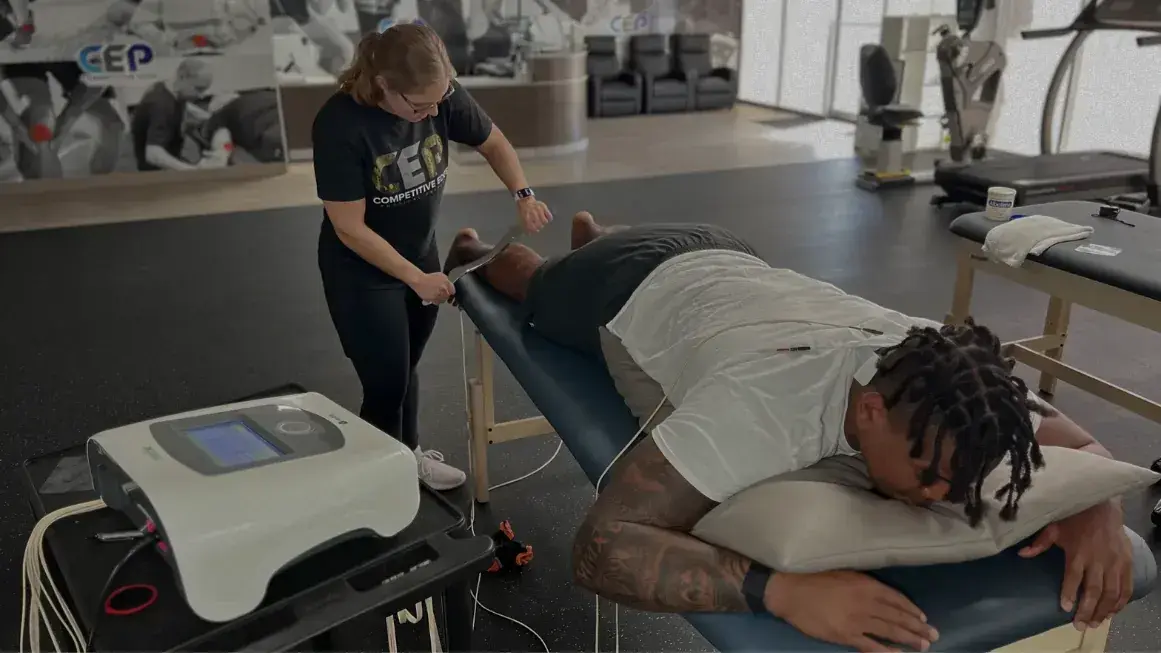
NeuPT Technologies pairs technology selection with implementation, training, workflow, and team-adoption support for private-practice physical therapy owners. Its R&D clinic, Competitive Edge Physical Therapy, also connects product decisions with the realities of clinic operations.
Bring More Context to the First Decision
ReadyOS gives clinicians a concise physiological reference point at the beginning of a visit, while leaving clinical judgment where it belongs. For clinic owners, the next step is to evaluate both the measurement and the workflow required to use it well.
Request ReadyOS information about bringing Readiness-Based Care into your clinical workflow.
 Previous Post